
If you’ve lost a tooth, or several, it’s normal to search for ways to restore your smile. You might ask whether dental implants are the right choice — for your oral health, confidence, and lifestyle. With modern technology, implants can serve as reliable and long-lasting treatments. But are they right for you? In this article by Millington Family Dentistry, we will walk you through dental implants: what they are; how they compare to bridges and dentures; and what factors determine whether someone’s a good candidate.
If you live in Millington, TN, or a nearby community and need a respected dental practice, contact us today.
What Exactly Are Dental Implants?
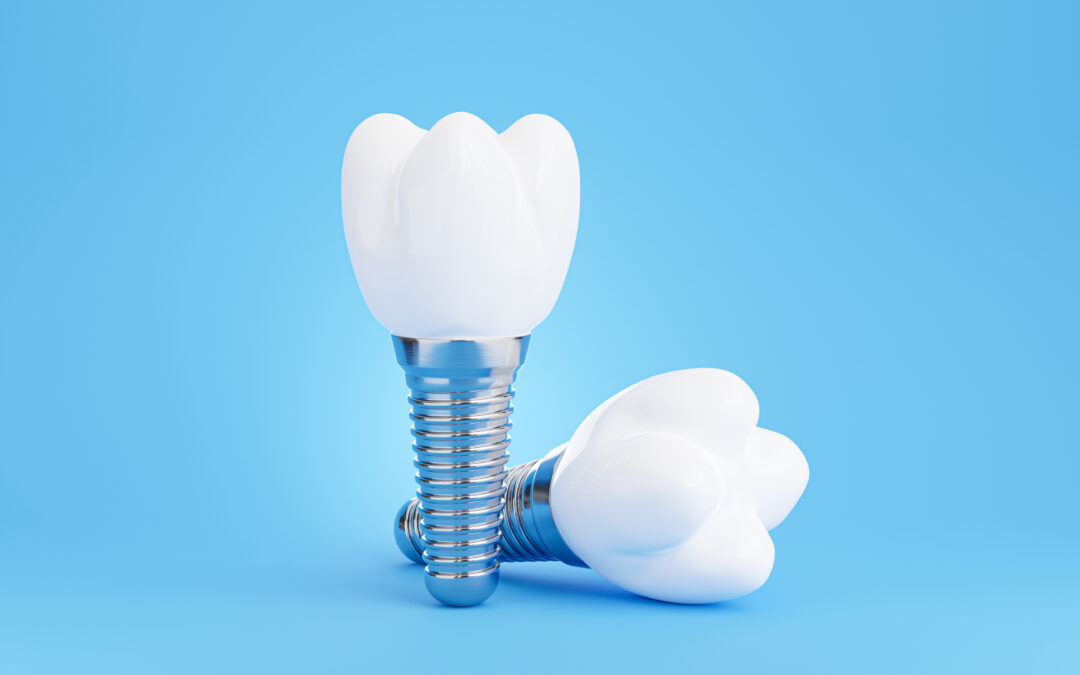
A dental implant is a small titanium post that acts as an artificial tooth root. After a dentist places it into the jawbone, the bone gradually bonds to it through a process called osseointegration. Once healed, the implant supports a custom crown, bridge, or denture. The result looks and functions like a natural tooth. Unlike a removable denture or a standard bridge, an implant becomes part of your jaw structure. This stability is a major reason many people consider implants the gold standard for tooth replacement.
Benefits of Choosing Dental Implants
People often choose implants for both functional and aesthetic reasons. Some of the biggest advantages include:
A Natural Look & Feel
Because implants mimic the structure of natural teeth, they can offer a comfortable bite and a realistic appearance. The crown placed on top can match nearby teeth in size, shape and color — allowing your smile to look seamless.
Long-Term Durability
With proper care, implants can last decades, and in many cases, a lifetime. The titanium used for the post is biocompatible and extremely strong. You typically treat an implant-supported crown the same way you treat a natural tooth, which makes maintenance simple.
Support for Jawbone Health
When you lose a tooth, the jawbone beneath it begins to weaken over time. Implants stimulate the bone just like a natural root would, which helps maintain strength and density. Dentures and bridges don’t provide that same level of stability.
Enhanced Bite Strength
Traditional dentures can shift, and bridges rely on surrounding teeth for support. Implants behave like standalone teeth, giving you confidence to bite into foods like apples, crusty bread, or steak without worry.
Comfort & Convenience
Because an implant stays fixed in place, you won’t deal with denture adhesives, slipping appliances, or special cleaning steps. Daily brushing and flossing are all you need.
How Do Implants Compare to Bridges & Dentures?
Understanding alternatives can help you decide which option best fits your needs, budget, and dental health.
Dental Implants vs. Traditional Bridges
A bridge replaces missing teeth by anchoring to the teeth on either side of the gap. While effective, bridges require reshaping those supporting teeth. If those teeth are healthy, altering them may not be ideal.
Implants, on the other hand, leave neighboring teeth untouched. They also last longer in many cases. A well-maintained implant may not need replacement, while bridges often require updating after 10 to 15 years.
Dental Implants vs. Dentures
Dentures rest on top of the gums and can be removed at night. While they offer a more affordable upfront option, they may slip or feel unstable. Over time, gum and bone changes can cause dentures to fit poorly.
Implants offer more stability because they anchor directly into the bone. They also help preserve jawbone strength, which dentures cannot do. For patients who want the most natural chewing experience and facial support, implants often provide a more satisfying long-term solution.
Am I a Candidate for Dental Implants?
Many people qualify for implants, but certain factors determine whether they’re a strong fit for your situation.
During your consultation, your dentist will examine your mouth, review imaging, and discuss your goals. These steps help determine the best treatment plan for your unique needs.
Sufficient Jawbone Density
Because the implant sits within the bone, you need enough bone thickness to support it. If bone loss has already occurred, your dentist may recommend a bone graft to build up the area before placement.
Healthy Gums
Strong, disease-free gum tissue plays a key role in implant success. If you have signs of gum disease, it’s important to treat the condition first.
Good Overall Health
Chronic health issues such as uncontrolled diabetes or autoimmune disorders may affect healing. Your dentist will review your medical history to evaluate how well your body may respond.
Commitment to Oral Care
Implants need the same level of hygiene as natural teeth. If you brush, floss, and keep up with regular dental visits, you’ll support long-term success.
Non-smoker or Willing to Reduce Smoking
Smoking can interfere with healing. Patients who smoke heavily may face a higher risk of complications.
Are Dental Implants Permanent?
Dental implants are designed to be a long-lasting solution. The titanium post fuses with the bone, creating a stable foundation. While the crown on top may eventually need replacement due to normal wear, the implant itself can remain healthy for decades.
Longevity depends on proper oral care, regular dental checkups, and protecting your teeth from habits like grinding or using teeth as tools. When cared for properly, many patients enjoy their implants for a lifetime.
What Can I Expect During the Implant Process?
The journey usually includes several stages:
- Initial Consultation: Your dentist evaluates your mouth, discusses options, and develops a treatment plan.
- Implant Placement: The titanium post is placed into the jawbone during a small surgical procedure.
- Healing Period: Over the next few months, the implant bonds with the bone.
- Abutment Placement: A connector piece attaches to the implant.
- Crown Placement: A custom crown is crafted to match your natural teeth and attached to the abutment.
Throughout the process, your dental team works to keep you comfortable and informed. Thoughtful planning and clear communication help guide you through each step.
Is the Investment Worth It?
While dental implants may cost more upfront than bridges or dentures, they can serve as a long-term investment in comfort, function and confidence. Their durability can reduce the need for future replacements. They also support oral health by keeping the jawbone strong and preserving facial structure.
Final Thoughts
Dental implants can be a highly effective, natural-looking solution for missing teeth. Whether you’ve lost a tooth due to injury, decay, or gum disease, they can provide strength, stability, and long-term benefits that surpass bridges and dentures.
If you are a current or prospective patient seeking expert guidance on dental implants, request an appointment today with Millington Family Dentistry.